Let’s be real for a second. You’re a solopreneur. You wear every hat—CEO, marketer, customer support, janitor, and yes… salesperson. And honestly? That last hat often feels like it’s on fire. Sales enablement sounds like something big companies with teams of people do. But here’s the secret: you can do it too. Just… differently.
What Even Is Sales Enablement for a Solo Operator?
Sales enablement, in corporate speak, is all about giving your sales team the tools, content, and training to close deals. For you? It’s about building a system that sells while you sleep. Or while you’re fixing that broken link on your website. Or, you know, taking a shower.
It’s not about hiring a sales team. It’s about making your one-person operation feel like a well-oiled machine. Think of it like this: you’re a chef in a tiny kitchen. You don’t have a sous chef or a dishwasher. So you need better knives and a smarter workflow. That’s sales enablement for solopreneurs.
The Three Pillars of Solo Sales Enablement
I’ve broken this down into three messy, real-world pillars. They’re not perfect—but they work.
- Content that pre-sells — Your blog posts, case studies, and even your FAQ page should answer objections before they’re asked. Imagine your prospect is sitting across from you, skeptical. What do they need to hear? Put that on your site.
- Automation that nurtures — You can’t email every lead personally at 2 AM. But a drip sequence can. Tools like Mailchimp or ActiveCampaign become your virtual assistant.
- Tools that reduce friction — Calendly for booking. Loom for personalized video demos. Stripe for payment. Each tool removes a step where a deal might die.
Why Most Solopreneurs Fail at Sales (And How to Fix It)
Here’s the deal: most solopreneurs hate selling. They think it’s slimy. Or they get overwhelmed. Or they just… forget. I’ve been there. You start your day with the best intentions, but then a client issue pops up, and suddenly it’s 5 PM and you haven’t sent a single proposal.
The fix? Systemize your sales process like a robot would. Not a cold robot—a helpful one. Create templates for emails. Record a standard demo video. Write a script for your discovery call. Then, use a CRM (even a free one like HubSpot) to track where each lead is. It sounds boring. But boring is profitable.
A Quick Table: Tools That Do the Heavy Lifting
| Pain Point | Tool Example | Why It Helps |
|---|---|---|
| No time for follow-ups | Lemlist or Mailshake | Automates personalized email sequences |
| Scared of pricing calls | Calendly + Stripe | Let clients book and pay without you |
| Can’t remember leads | HubSpot CRM (free) | Tags, notes, and reminders |
| Need to explain complex stuff | Loom | Record a quick video—feels human |
See? You don’t need a team. You need a toolkit that works with your brain, not against it.
Content as Your Silent Salesperson
I’m gonna say something controversial: your website is your best salesperson. Not you. Sure, you’re charming. But you can’t be everywhere. So your content has to do the talking.
Think about it. A prospect lands on your homepage. They’re skeptical. They’ve been burned before. What do they do? They scroll. They read your about page. They check your testimonials. That’s your chance to sell without selling.
Write case studies that tell a story. “Before” and “after” stuff. Use numbers. Like, “Helped a freelance designer double her income in 3 months.” That’s not bragging—it’s proof. And proof is the ultimate sales enablement tool.
Don’t Forget the FAQ Page
Honestly, your FAQ page is a goldmine. Answer the real questions people ask in discovery calls. “How much does it cost?” “How long does it take?” “What if I hate it?” If you answer those upfront, you’re saving yourself hours of repetitive conversations. That’s sales enablement in its purest form.
Automation: Your 24/7 Assistant
Okay, let’s talk about automation without getting all tech-bro about it. You don’t need to code anything. You just need to set a few triggers.
For example, when someone downloads your free guide, they get an email sequence. Day 1: “Here’s your guide.” Day 3: “Here’s a case study related to it.” Day 7: “Want to chat? Book a call here.” That’s it. No pressure. Just value. And it runs while you’re sleeping.
I once had a client who set this up and forgot about it. Three months later, she got a booking from someone who’d downloaded the guide weeks before. The system did the work. She just showed up to the call.
The Art of the Follow-Up (Without Being Annoying)
Here’s a stat that’ll stick with you: 80% of sales require five follow-ups, but most people give up after two. As a solopreneur, you can’t afford to give up. But you also can’t afford to be a pest.
The trick? Vary your medium. Send an email. Then a LinkedIn message. Then a Loom video. Then a text (if they gave you permission). Each touch feels different. Mix it up. And always provide value—never just “checking in.” That phrase should be banned.
Example follow-up sequence:
- Email with a relevant article.
- LinkedIn comment on their post.
- Loom video answering a question they had.
- Short email: “Hey, any thoughts on the article?”
- Final email: “I’m closing this thread, but feel free to reach out anytime.”
That last one is key. It gives them an out. And sometimes, that’s what they need to re-engage.
Measuring What Matters (Without the Spreadsheet Nightmare)
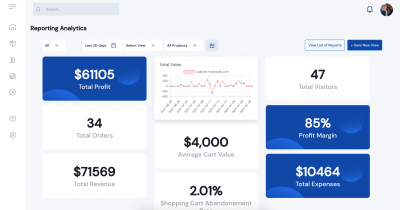
You don’t need a dashboard with 47 metrics. As a solopreneur, you need three numbers:
- Number of conversations — How many people are you actually talking to?
- Conversion rate — How many of those become clients?
- Average deal size — How much is each client worth?
If you track those three things, you’ll know if your sales enablement is working. If conversations are low, you need more outreach. If conversion is low, you need better content or a smoother process. If deal size is low, you need to raise prices or upsell.
That’s it. No fancy analytics. Just real data that tells you what to do next.
One Last Thing: Your Mindset Matters
I know I’ve been talking about tools and systems. But honestly? The biggest sales enablement tool you have is your own brain. If you think selling is icky, you’ll avoid it. If you think you’re bothering people, you’ll stop following up. You gotta reframe it.
You’re not selling. You’re helping people solve a problem. That’s it. You’re a guide. A helper. A solution-finder. When you believe that, your emails write themselves. Your calls feel natural. And your sales… well, they just happen.
So go set up that automation. Write that FAQ. Record that Loom. And remember: you’re not a salesperson. You’re a solopreneur who’s figured out how to make sales work for you, not against you.